


Diversity is always a cause for celebration. After all, it’s what evolution is all about – adapt or die. Thirty years ago, Qubit’s first products were relatively simple gas analysers for investigating plant biology in the teaching lab. Profs liked the quality of our instruments and asked us to develop them further for research applications. We obliged and they were happy.
We then branched into insect respirometry, and from there extended our scope to include the study of larger animals, aquatic organisms, humans, soil and the natural environment. Our catalog now has over 300 products for studying anything from isolated chloroplasts to Antarctic seals.
In this newsletter, we look back at some 2026 publications from our valued Qubit clients that exemplify diversity and shared ingenuity.
Nitrogen Fixation — Back to Where It All Started
Winning et al., New Phytologist, 2026 https://doi.org/10.1111/nph.70917
Back in the pre-Qubit days of the 1990s, co-founders Dr. David Layzell, Dr. Steve Hunt and Nick Dowling pioneered the accurate measurement of N2 fixation by developing methods to monitor H2 evolution from nodulated root systems. Consistently, we showed that measuring H2 as a by-product of the nitrogenase enzyme resulted in rate measurements much higher than those derived from the traditional acetylene reduction assay. In fact, the traditional assay inhibited the process it was designed to monitor, which, as an experimental own-goal, is hared to beat.
Now, 40 years later, the H2 assay is incorporated into Qubit’s Nitrogenase Analysis System for in vivo measurements of Apparent Nitrogenase Activity (in air); Total Nitrogenase Activity (in Ar:O2) and Electron Allocation Coefficient (EAC = 1-(ANA/TNA), the latter estimating the relative electron flow through nitrogenase to NH3 and H2 as end-products.
In 2026, the system was used by researchers at the Australian National University to study symbiosis-associated UMAMIT transporters required for establishing efficient nitrogen fixation in Medicago truncatula, addressing a critical gap in understanding amino acid transport in the legume–Rhizobium symbiosis. The authors conclude that MtUMAMIT14, -17 and -36 are essential for efficient nitrogen fixation, functioning in amino acid transport across symbiotic interfaces and vascular tissues. They propose that their recruitment into nodulation programs represents a key evolutionary adaptation facilitating nutrient exchange critical for symbiotic success.
Congratulations to Winning et al.
And glad we could help!

Inside the Cockroach — TRP Channels and Thermoregulation
Maliszewska et al., Journal of Comparative Physiology B, 2026 https://doi.org/10.1007/s00360-026-01699-4
Cockroaches are much-maligned creatures, featuring in songs such as the brilliant Common People by Pulp, and incorrectly identified by Kafka know-it-alls as the insect to which Gregor Samsa was transformed in The Metamorphosis. Whether or not cockroaches shall inherit the Earth, as is often predicted apocalyptically, humans are unlikely to find out. In the meantime, though, cockroaches are excellent subjects for a wide variety of biological experiments, including those requiring measurement of insect metabolic rate.
In 2026, Polish researchers at Nicolaus Copernicus University in Poland used Qubit’s S157 CO₂ analyser and open flow gas exchange accessories, to measure whole-animal metabolic rate in American cockroaches while testing how nerve signalling pathways regulate temperature preference. Why American cockroaches were used, rather than local varieties, is open to question (OK, don’t write in, we know they used Periplaneta americana, rather than Periplaneta szyrzczynska because it’s easier to spell).
Given that both thermoregulatory shifts and grooming involve sustained motor activity, the authors used the Qubit gas exchange system to examine whether or not these behavioral and electrophysiological effects were accompanied by changes in metabolic rate, as estimated by CO₂ production. It was found that neither TRP modulation nor nicotinic receptor blockade produced consistent or robust alterations in whole-animal metabolic rate under the experimental conditions.
Overall Maliszewska et al. conclude that cholinergic signaling contributes to behavioral responses induced by TRP ligands in P. americana and that both capsaicin and nicotinic receptor blockade can modulate neuronal activity within the cockroach nervous system.
Electrophysiological and behavioral experiments addressed different levels of biological organization and did not establish a direct mechanistic link between peripheral thermosensory signaling and central neuronal modulation, but collectively highlight interactions between TRP ligand-dependent responses and cholinergic pathways.
A very interesting paper… and glad we could assist.

Adult male cats consuming diets ranging in crude protein from 85% to 160% of AAFCO recommendations have different respiratory quotients, energy expenditure, gross, digestible, metabolizable, and net energy, but not physical activity, nitrogen losses, and heat increment of feeding
Anan, S.F., et al., Journal of Animal Science 2026 doi: 10.13031/jnrae.16646
It’s always a pleasure to see Qubit equipment used in Canadian research facilities other than our home base at Queen’s University in Kingston. Despite the rivalry among Canadian institutions for sports and academic honours, we are always happy to support research in places other than Qubit’s alma mater. This is especially true at the University of Guelph, where Qubit respirometry equipment has featured in numerous publications from the laboratory of the extremely prolific Professor Anna Kate Shoveller.
Kate’s most recent publication in the Journal of Animal Science had the goal of quantifying net energy (NE) content of diets ranging in crude protein (CP) content from 85% and 160% of American Association of Feed Control Officials (AAFCO) model guidelines, while simultaneously decreasing nitrogen-free extract (NFE) in diets fed to adult, male cats.
As part of the study, cats were placed in calorimetry chambers attached to a customized multichannel gas exchange system manufactured by Qubit. Feces and urine were collected, and gas exchange measurements made to calculate digestible energy (DE), metabolizable energy (ME), energy expenditure (EE), respiratory quotient (RQ) and heat increment of feeding (HIF). Increasing CP in diets generally increased GE, DE, ME, and NE. EE generally increased with CP inclusion and RQ simultaneously decreased, indicating greater protein oxidation.
HIF was not affected by changing CP suggesting that NE availability was affected by fecal and urinary energy losses, not by EE. NE availability increasing with CP suggests cats efficiently utilize protein as an energy source; therefore, attention should be paid to its contribution towards caloric intake within commercial diets to reduce overfeeding energy.
Kate and colleagues have contributed immensely over the years to the health and well-being of companion animals by providing commercial manufacturers of pet food with data that promotes the optimisation of product nutritional formulas .
Contrasting metabolic responses to increasing temperature in four mediterranean echinoderms. Martin-Huete et al. (2026)
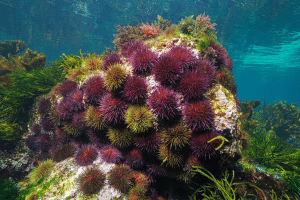
So, legumes, cockroaches, and cats, but we can’t sign off without taking a look at the oceans. After all, an increasing proportion of the earth’s surface is covered in salt water, and though only about 1% of the earth’s living biomass calls the ocean home, these organisms are critical to the survival of us terrestrial creatures.Therefore, off to Spain, where Martin-Huete and colleagues studied the plasticity of four Mediterranean echinoderms to withstand rapid temperature increases when behavioural adjustments were insufficient. The study assessed metabolic responses to acute warming in four species with distinct thermal affinities but overlapping distributions in the Western Mediterranean.
Species included the sea urchins Arbacia lixula (subtropical) and Paracentrotus lividus (temperate-cold), as well as the brittle stars Ophiothrix sp. II (temperate) and Ophiocomina nigra (temperate-cold). Qubit’s Q-Box Mini-Aqua intermittent flow respirometry system was used to measure oxygen consumption as a proxy for Basal Metabolic Rate (BMR), at sequential temperatures of 16 °C, 20 °C, 23 °C, 26 °C. Species exhibited divergent metabolic trajectories and thermal sensitivities (Q₁₀), reflecting their thermal affinities, local adaptations, and phenotypic plasticity. A. lixula and Ophiothrix sp. II displayed sharp BMR increases, indicating resilience but proximity to their upper thermal limits, whereas O.nigra maintained stable metabolic rates, suggesting broad physiological plasticity.
P. lividus displayed population-level divergence: individuals with cooler-origin experienced metabolic suppression and severe thermal stress at 26 °C, while those with warmer-origin maintained higher metabolic activity.
Overall, phenotypic plasticity emerged as a key short-term strategy to cope with acute warming. However, species with narrower thermal tolerance, such as P. lividus, might face long-term vulnerability under intensifying marine heatwaves. These results highlight the importance of integrating thermal history, plasticity, and genetic variation to accurately predict resilience to ocean warming.Cool research in a warming world, and we are glad to have been a part of it.
Q-Box AQUA Aquatic Respiration
So yes – at Qubit we measure life, be it plant, insect, animal or human, on the land or in the ocean. If you are working with an organism that is recalcitrant with respect to metabolic measurements, get in touch – we may be able to come up with a customised solution. If you have used our equipment in an inventive way and you wish to tell the world, let us know and we’ll promote your work in one of our newsletters. Either way, we hope you are enjoying our featured subjects.